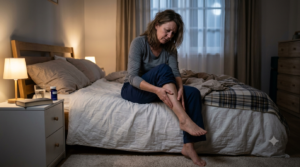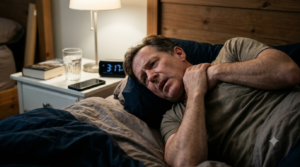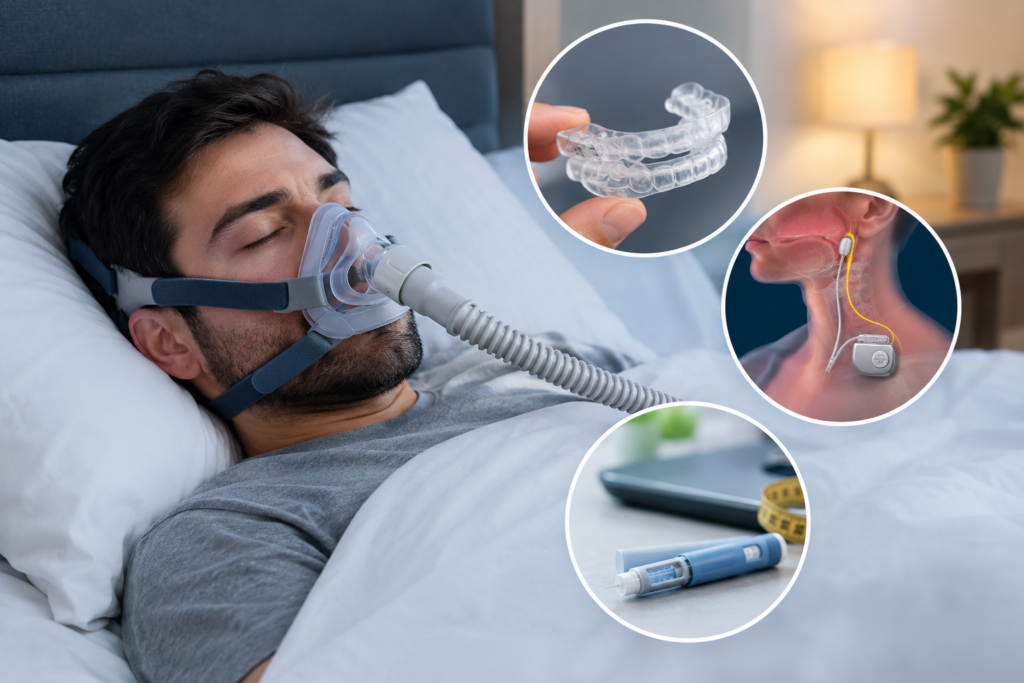
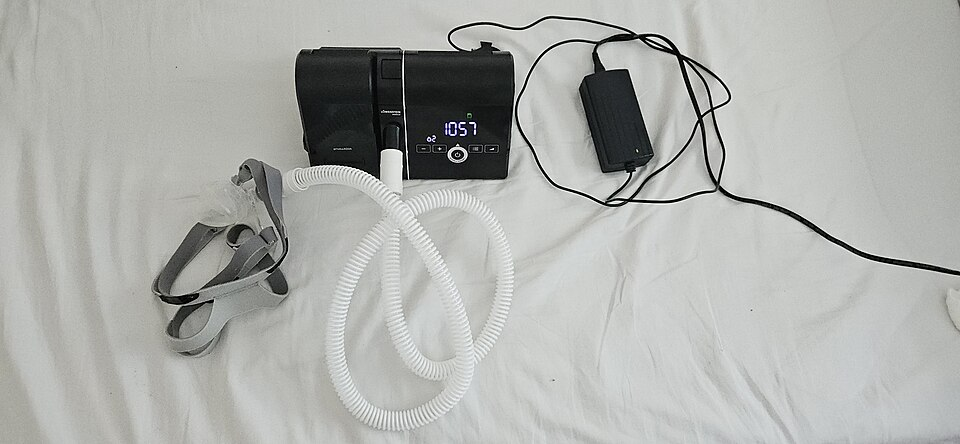
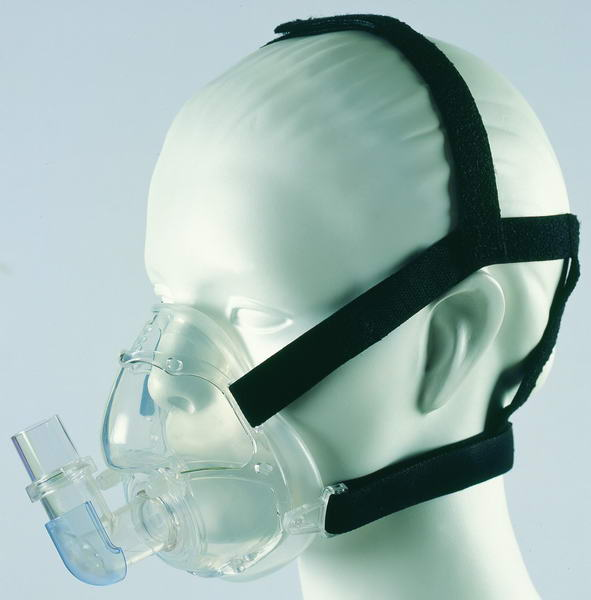
A CPAP machine may help control sleep apnea, but getting comfortable with it can take time. The mask might not fit properly, the airflow may feel distracting, or you may find yourself waking up to adjust the equipment. For some people, these problems make it difficult to use CPAP consistently.
If you’ve tried different masks or pressure settings and still struggle, ask your sleep specialist about other treatment options. Depending on your diagnosis, oral appliance therapy, hypoglossal nerve stimulation, or medically supervised weight management may be worth discussing.
Each approach works differently. Some reposition the jaw, others stimulate nerves that help keep the airway open, and certain medications can address the connection between obesity and obstructive sleep apnea. Here’s what to know before deciding which option to explore.
1. Oral Appliance Therapy: Can a Dental Device Help With Sleep Apnea?
Not everyone wants to wear a mask while sleeping. If CPAP feels restrictive or uncomfortable, a custom oral appliance may be an alternative worth considering.
An oral appliance is a dental device worn at night. Most devices used for obstructive sleep apnea gently move the lower jaw forward, helping prevent the tongue and surrounding soft tissues from narrowing or blocking the airway.
Unlike CPAP, an oral appliance doesn’t require a machine, hose, or pressurized air. It’s also compact enough to carry when traveling.
Who may benefit from oral appliance therapy?
Oral appliance therapy is often considered for adults with mild to moderate obstructive sleep apnea. It may also be an option for some people with more severe sleep apnea who cannot tolerate CPAP or prefer an alternative.
Suitability depends on the sleep study results, the patient’s dental health, jaw structure, and other medical factors. A qualified dental sleep provider can assess whether a custom device is appropriate.
There are some trade-offs to consider. An oral appliance may cause jaw discomfort, tooth soreness, or changes in the bite. It may also be less effective than CPAP at controlling breathing interruptions for some patients, particularly those with more severe disease.
Over-the-counter mouthguards are not a substitute for a professionally fitted sleep apnea appliance. The device needs to be properly adjusted, and follow-up testing may be needed to confirm that it controls the condition.
The American Academy of Sleep Medicine’s clinical guidance on oral appliance therapy supports considering these devices for adults who cannot tolerate CPAP or prefer an alternative.
Dallas Sleep Health provides oral appliance therapy for sleep apnea. A consultation can help determine whether this approach fits your diagnosis and treatment needs.
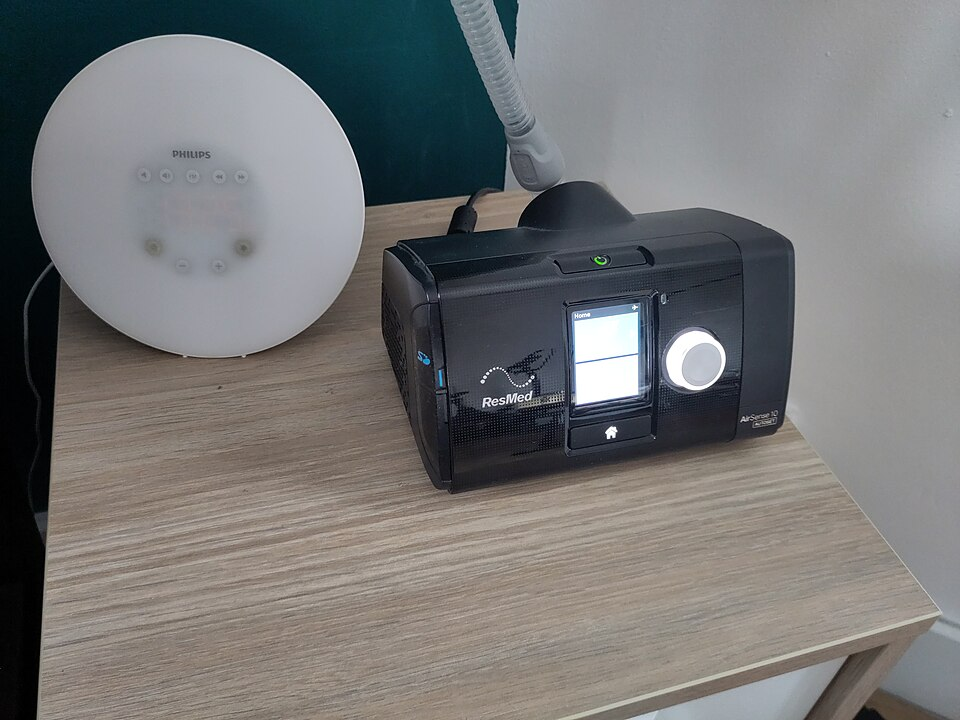
2. Hypoglossal Nerve Stimulation: An Option for People Who Cannot Tolerate CPAP
What happens when CPAP remains difficult to use, even after trying different masks and settings? For some adults with moderate to severe obstructive sleep apnea, an implantable treatment called hypoglossal nerve stimulation may be an option.
The hypoglossal nerve controls tongue movement. During sleep, the tongue can move backward and contribute to airway obstruction. Hypoglossal nerve stimulation uses an implanted device to deliver electrical stimulation that helps move the tongue forward and keep the airway open.
Unlike CPAP, this treatment does not rely on pressurized air or a mask. However, it involves a surgical procedure, device activation, adjustments, and ongoing follow-up.
Who is a candidate for hypoglossal nerve stimulation?
This treatment is intended for carefully selected patients, not everyone diagnosed with sleep apnea. A specialist typically reviews:
- The severity of obstructive sleep apnea shown by a sleep study.
- Whether CPAP or other positive airway pressure therapy has been unsuccessful or cannot be tolerated.
- Airway anatomy and the pattern of obstruction.
- Body weight, medical history, and the specific device’s eligibility criteria.
Further airway evaluation may be necessary before treatment can be recommended. The procedure is not appropriate for every patient, and eligibility depends on the device and its approved indications.
The U.S. Food and Drug Administration provides details about Inspire upper airway stimulation, including its intended use and eligibility requirements.
For eligible patients, hypoglossal nerve stimulation may offer another way to manage obstructive sleep apnea without wearing a CPAP mask every night. The decision requires a careful evaluation of the potential benefits, surgical risks, and long-term treatment needs.
Dallas Sleep Health offers evaluations for hypoglossal nerve stimulation for sleep apnea.
3. GLP-1 Medications and Sleep Apnea: Understanding the Connection
Weight can affect obstructive sleep apnea, although the condition can also occur in people who are not overweight. In some patients, excess tissue around the upper airway contributes to narrowing and collapse during sleep.
For people with obesity, medically supervised weight management may form part of a broader sleep apnea treatment plan. This may include nutrition and activity changes and, when appropriate, prescription medication.
One important development is the FDA approval of tirzepatide, sold under the brand name Zepbound, for treating moderate to severe obstructive sleep apnea in adults with obesity. The approval, announced in December 2024, specifies use alongside a reduced-calorie diet and increased physical activity.
Tirzepatide acts on both GIP and GLP-1 receptors. By reducing appetite and food intake, it can help eligible patients lose weight, which may improve the severity of obstructive sleep apnea.
Read the FDA announcement on tirzepatide for obstructive sleep apnea for details about the approval.
Does weight-loss medication replace CPAP?
Not necessarily. Although weight loss may improve sleep apnea, the degree of improvement varies from person to person. Some patients will still need CPAP, an oral appliance, or another treatment while losing weight and afterward.
Medication also has potential side effects and is not suitable for everyone. A clinician needs to review your medical history, current medications, weight-related health concerns, and individual risks before recommending it.
It is important not to stop prescribed sleep apnea treatment simply because you have started losing weight or taking medication. Your sleep specialist can advise when reassessment is appropriate and whether repeat testing is needed.
Dallas Sleep Health offers medical weight management and GLP-1 treatment for sleep apnea for appropriate patients. A consultation can help establish whether medication-assisted weight management belongs in your treatment plan.
How Do You Choose the Right CPAP Alternative?
The best option depends on more than whether you dislike wearing a mask. Your sleep study, the severity of your condition, airway anatomy, other health concerns, and previous treatment experience all matter.
An oral appliance may suit someone looking for a compact, mask-free treatment. Hypoglossal nerve stimulation may be worth exploring when a patient has moderate to severe obstructive sleep apnea and cannot tolerate PAP therapy. For adults with obesity, medically supervised weight management and appropriate medication may help address one factor contributing to their sleep apnea.
These approaches are not interchangeable, and some patients benefit from combining treatments. CPAP also remains an effective, established option for many people. Before abandoning it, ask whether a different mask, pressure adjustment, humidification, or additional support could make it easier to use.
If you are still struggling, start by reviewing your treatment with a sleep specialist. Bring up what specifically bothers you about CPAP, whether the problem occurs every night, and what changes you have already tried. Those details can help guide the discussion.
Explore Your Sleep Apnea Treatment Options at Dallas Sleep Health
Sleep apnea treatment should address your diagnosis and fit your circumstances. If CPAP has been difficult to use, you may have alternatives worth discussing with a qualified provider.
Dallas Sleep Health evaluates patients for treatment options that include oral appliance therapy, hypoglossal nerve stimulation, and medically supervised weight management. Your specialist can review your sleep study and medical history, explain which approaches may be suitable, and help you decide on the next step.
If CPAP has been a struggle, schedule an evaluation with Dallas Sleep Health to discuss your options.
Frequently Asked Questions
What are the alternatives to CPAP for sleep apnea?
Options for selected patients include custom oral appliance therapy, hypoglossal nerve stimulation, and weight management with medication when medically appropriate. The right approach depends on the type and severity of sleep apnea, medical history, and treatment eligibility.
Is an oral appliance as effective as CPAP?
CPAP generally provides stronger control of breathing interruptions, but a custom oral appliance may be suitable for patients who cannot tolerate CPAP or prefer another option. Follow-up testing helps determine whether the appliance is controlling sleep apnea adequately.
Who qualifies for hypoglossal nerve stimulation?
Eligibility depends on sleep apnea severity, ability to use PAP therapy, airway anatomy, medical history, and device-specific criteria. A specialist must evaluate the patient before recommending an implant.
Can GLP-1 medications treat sleep apnea?
Tirzepatide (Zepbound) is FDA-approved for moderate to severe obstructive sleep apnea in adults with obesity, alongside a reduced-calorie diet and increased physical activity. Medication is not suitable for everyone, and some patients continue to need other sleep apnea treatments.
Should I stop using CPAP if I want to try another treatment?
Do not stop prescribed treatment without speaking with your healthcare provider. Your sleep specialist can explain how to transition safely if another treatment is appropriate and determine whether follow-up sleep testing is needed.
Explore CPAP alternatives for sleep apnea, including oral appliance therapy, hypoglossal nerve stimulation, and GLP-1 medication for eligible patients.