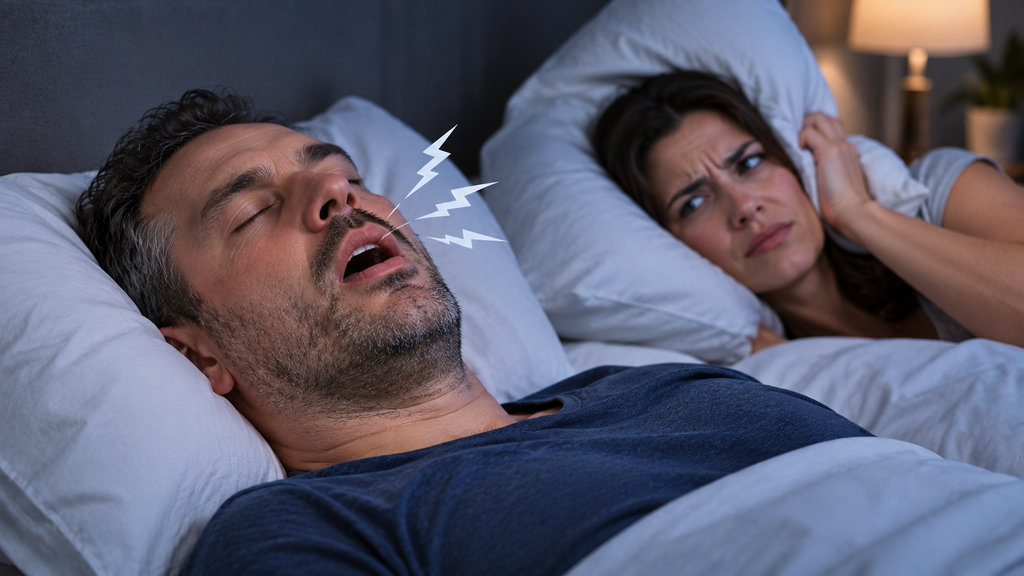
You’ve come home after a long day of hard work. You have slept properly throughout the night, but even after waking up, you feel tired. This problem gets even bigger when it starts occurring even when you are sleeping properly and do not have any stress issues. Snoring throughout the night, waking up more than once at night, and sometimes having morning headaches may be signs of an underlying sleep disorder, such as obstructive sleep apnea.
More than just a snoring problem, sleep apnea can interrupt normal breathing throughout the night, affect sleep quality, and contribute to other health concerns. But with the right diagnosis and treatment, experiencing better sleep and improved daytime energy becomes possible for people who were otherwise suffering from sleep apnea.
What Is Sleep Apnea and Why Does It Affect Your Sleep?
There can be several reasons for a particular condition, and saying that it is because of sleep apnea would be vague. There are disorders categorized under sleep apnea to determine a particular condition based on its symptoms and then treat the patient with it in the Plano Sleep Clinic. One such disorder is Obstructive sleep apnea (OSA).
When a person has this condition, his or her upper airway repeatedly starts to get narrow or blocked when they sleep. This condition arises when the throat muscles begin relaxing, surrounding tissues start to restrict airflow, resulting in breathing becoming shallow or temporarily stopping.
When this happens, the body briefly wakes up because the brain responds to these interruptions to restore normal breathing. These repeated disruptions can prevent you from getting consistent, restorative sleep, even if you spend seven to nine hours in bed.
But not everyone who snores when sleeping is diagnosed with sleep amnesia. However, loud snoring accompanied by pauses in breathing or fatigue during the day should not be ignored.
What Causes Sleep Apnea?
There are several factors that contribute to obstructive sleep apnea, such as increased pressure around the upper airway because of excess weight, enlarged tonsils, a naturally narrow throat, or certain jaw structures that may restrict airflow.
Other contributing factors include:
Age: The risk of sleep apnea generally starts to increase as people get older.
Alcohol consumption: Throat muscles relax and may worsen airway obstruction after taking alcohol.
Smoking: Tobacco smoke can irritate and inflame the upper airway.
Sleeping position: Sleeping on your back may allow the tongue and surrounding tissues to move backward and narrow the airway.
Family history: Inherited anatomical characteristics can increase susceptibility.
Sleep apnea can affect people of different body types and people of different age groups. You do not have to be overweight to develop the condition.
Why Is Professional Sleep Apnea Treatment Important?

When left untreated, sleep apnea can affect more than just your nighttime rest. It may cause repeated interruptions in your breathing, which can cause oxygen levels to drop and trigger stress responses throughout the body.
The patient may face an increased risk of high blood pressure, cardiovascular disease, stroke, and metabolic problems when obstructive sleep apnea is not treated on time. It can also affect everyday activities. Persistent fatigue may interfere with work, concentration, relationships, and safe driving.
Seeking an appropriate Plano Sleep Clinic can help identify the underlying cause of your symptoms and determine which treatment options may be suitable.
How Is Sleep Apnea Diagnosed?
A sleep apnea specialist Plano needs to understand what is happening while you sleep before recommending treatment.
The diagnostic process typically begins with a consultation to review your symptoms, medical history, sleep habits, and potential risk factors.
In this case, a sleep study is recommended.
Home Sleep Apnea Testing: A Home Sleep Apnea Test (HSAT) allows patients to complete all the required sleep testing in their own homes with the help of a portable monitoring device.
It records information such as breathing patterns, heart rate, and blood oxygen levels depending on the equipment. After the test is completed, a healthcare professional reviews the results to determine whether sleep apnea is present.
In-Lab Sleep Studies: An attended sleep study, also called polysomnography, provides a more comprehensive evaluation of your sleep.
It can monitor brain activity, breathing, oxygen levels, heart rhythm, and body movements throughout the night.
The appropriate testing method depends on your symptoms, medical history, and clinical circumstances.
What Are the Available Sleep Apnea Treatment Plano Options?
No single treatment is recommended and works for everyone. A doctor specialising in sleep apnea considers the diagnosis, level of severity, individual health needs, and treatment preferences before recommending an approach.
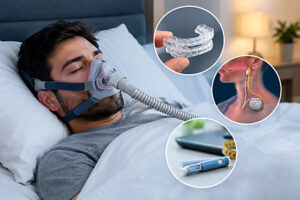
1. CPAP Therapy: When it comes to one of the most established treatments for obstructive sleep apnea, Continuous Positive Airway Pressure (CPAP) therapy is considered the best.
A CPAP machine is used to deliver a steady flow of pressurized air through a mask worn during sleep. This pressure helps keep the airway open and reduces breathing interruptions. Effective CPAP treatment can reduce snoring, improve sleep quality, and relieve excessive daytime sleepiness for many patients.
But before beginning this procedure, it is recommended that you find the right mask and pressure settings with the help of a sleep apnea specialist Plano.
2. Oral Appliance Therapy: It has been observed that some patients may benefit from a custom-fitted oral appliance.
This small dental device is worn during sleep and helps maintain an open airway by positioning the lower jaw slightly forward. It may be appropriate for selected patients with mild to moderate obstructive sleep apnea or those who have difficulty tolerating CPAP.
A qualified dental professional should fit the appliance, and follow-up sleep testing helps confirm its effectiveness.
3. Lifestyle and Positional Changes: Lifestyle adjustments can complement medical treatment. Helpful changes include maintaining a healthy weight, exercising regularly, avoiding alcohol before bedtime, quitting smoking, and following a consistent sleep schedule.
These changes are not a substitute for prescribed treatment when clinically significant sleep apnea is present.
4. Other Treatment Options: Depending on the patient’s condition, additional approaches may include bilevel positive airway pressure (BiPAP), medically supervised weight management, or surgical evaluation.
A sleep specialist can explain the potential benefits and limitations of each option.
Choosing the Right Sleep Apnea Treatment Plano Clinic

Finding the right help is an important part of managing sleep apnea. Look for a Plano sleep clinic that offers appropriate diagnostic testing, individualized treatment recommendations, and ongoing support.
On this note, Dallas Sleep Health provides sleep disorder evaluations, sleep studies, CPAP therapy, and treatment options for patients in Plano and surrounding North Texas communities.
Its five-step approach to snoring and sleep apnea includes evaluation, testing, treatment selection, treatment initiation, and follow-up. This helps patients understand their condition and receive continued guidance throughout the treatment process.
Consulting a qualified Specialist for Sleep Disorder Treatment Plano can help you understand your next steps.
Take the First Step Toward Better Sleep with Dallas Sleep Health
You don’t have to accept loud snoring, restless nights, or constant daytime fatigue as a normal part of life.
Sleep Apnea Treatment Plano Dallas offers sleep apnea evaluation and treatment services in Plano, Texas, with personalized care and ongoing treatment support.
Ready to sleep better? Explore the sleep apnea services at Dallas Sleep Health or call 972-473-7300 to schedule an appointment.