Now accepting Telehealth appointments. Schedule a virtual visit.
Now accepting Telehealth appointments. Schedule a virtual visit.
Personalized Treatment for Better Breathing, Better Sleep, and Better Health
Sleep apnea is more than snoring. When breathing repeatedly stops or becomes restricted during sleep, it can prevent your body and brain from getting the restorative sleep they need.
The good news is that sleep apnea is treatable, and you may have more options than you realize.
At Dallas Sleep Health, we take a personalized approach to sleep apnea treatment. Rather than assuming one treatment works for everyone, we consider your sleep study results, symptoms, airway anatomy, overall health, weight, lifestyle, and treatment preferences to develop a plan that fits your needs.
Our sleep apnea treatment options include CPAP/PAP therapy, oral appliance therapy, medical weight management including GLP-1 medications when appropriate, and hypoglossal nerve stimulation.
There is no single “best” treatment for every patient with obstructive sleep apnea (OSA).
The right treatment depends on several factors, including:
The Established Treatment for Obstructive Sleep Apnea
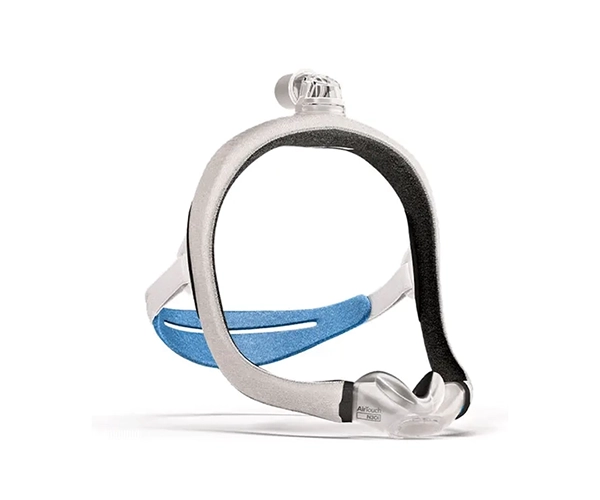
CPAP, or continuous positive airway pressure, delivers a gentle stream of pressurized air through a mask to help keep your airway open while you sleep.
PAP therapy remains one of the most effective and established treatments for obstructive sleep apnea and is commonly recommended for patients with moderate-to-severe OSA.
Modern PAP devices can automatically adjust pressure and provide treatment data that helps your sleep team determine how well your therapy is working.
A Comfortable, Mask-Free Treatment Option
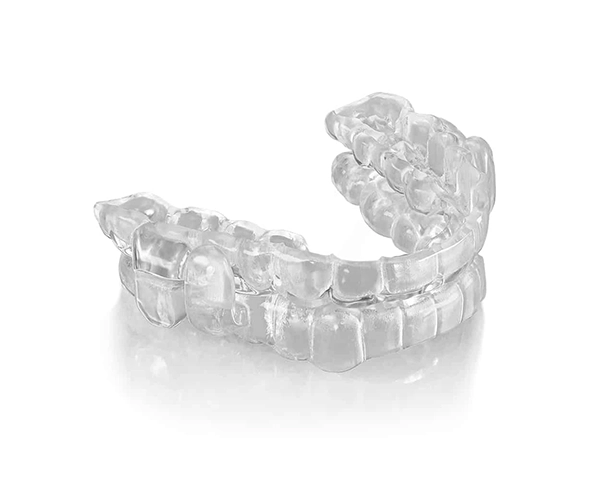
Oral appliance therapy uses a custom-fitted dental device worn while you sleep. The appliance helps reposition the jaw and/or tongue to help keep the upper airway open.
For appropriately selected patients, an oral appliance can provide an effective alternative to CPAP without a mask, tubing, or pressurized air.
Oral appliances may be particularly appealing to patients who have difficulty tolerating CPAP or prefer a smaller, portable treatment.
Addressing the Connection Between Weight and Sleep Apnea
Weight and obstructive sleep apnea are closely connected.
For some patients, excess weight can contribute to narrowing and collapse of the upper airway during sleep. Losing weight may improve the severity of sleep apnea and can also provide important benefits for overall health.
At Dallas Sleep Health, medical weight management can be incorporated into a comprehensive sleep apnea treatment plan when appropriate.

A Mask-Free, Implantable Treatment for Selected Patients
Hypoglossal nerve stimulation may be an option for certain adults with moderate-to-severe obstructive sleep apnea who are unable to use or tolerate PAP therapy.
This treatment is not appropriate for everyone. A comprehensive evaluation is needed to determine whether your sleep apnea, medical history, airway anatomy, and other characteristics meet the appropriate treatment criteria.
Dallas Sleep Health can evaluate your sleep apnea and help determine whether hypoglossal nerve stimulation may be an appropriate option.

Treatment options may include CPAP or other PAP therapy, oral appliance therapy, medically supervised weight management when appropriate, and hypoglossal nerve stimulation for selected patients. The appropriate treatment depends on the type and severity of sleep apnea and other individual factors.
Not necessarily. CPAP is an established treatment for obstructive sleep apnea, but other treatments may be appropriate for selected patients depending on their diagnosis, anatomy, health history, previous treatment experience, and treatment preferences.
Potential alternatives include custom oral appliance therapy, weight management when medically appropriate, and implantable hypoglossal nerve stimulation for selected adults who cannot use or tolerate PAP therapy.
Your sleep specialist can review your sleep study, symptoms, sleep apnea severity, medical history, airway anatomy, weight, lifestyle, and previous treatment experience before discussing appropriate options.
Yes. Depending on the patient's circumstances, treatment may involve a combination of approaches. A sleep specialist can determine whether combining therapies is appropriate.
If you think you may have a sleep disorder, you don’t have to figure it out on your own.
Our team is here to help you understand your symptoms, determine whether testing is appropriate, and identify treatment options that fit your needs.
Better Sleep. Better Health. Better Life.

(600+ Google Reviews)