Most people think about sleep problems in terms of what happens before bed. They focus on the time they go to sleep, how long they use their phone, or whether they drank caffeine too late in the day. However, a sleep specialist Dallas patients trust often looks beyond bedtime habits and considers factors inside the sleep environment, including room temperature. A bedroom that feels too warm or too cold can affect how easily you fall asleep and how rested you feel the next morning.
The bedroom itself is often overlooked.
Something as simple as the temperature of your room can influence how comfortable you feel at night. A room that feels too warm may leave you tossing and turning, while an overly cold environment can make it difficult for your body to fully relax.
Sleep is a process controlled by several signals from your body and surroundings. Temperature is one of those signals. Understanding how it affects rest can help you make practical changes that support better sleep.
For people who continue to struggle with poor sleep despite improving their habits, working with a sleep specialist Dallas residents can consult may help identify whether there is another reason behind their sleep difficulties.
Why Your Bedroom Temperature Matters at Night
Your body is not the same temperature throughout the day. It naturally rises and falls as part of your internal clock, also known as your circadian rhythm.
In the evening, your body begins preparing for sleep by gradually lowering its core temperature. This change helps your brain recognize that it is time to rest.
A bedroom that is too warm can interrupt this natural process. When the body has difficulty releasing heat, sleep can become lighter and more restless. Some people may wake up feeling uncomfortable, remove blankets during the night, or struggle to fall back asleep after waking.
This does not mean a cold room automatically creates better sleep. Comfort matters. If you are too cold, your body may respond by creating tension in your muscles or making you more aware of the discomfort, which can also interfere with rest.
The right temperature is the one that allows your body to settle without having to work against the environment.
Can Sleeping in Cold Improve Sleep?
The idea of sleeping in cold conditions has become popular among people looking for simple ways to improve their sleep quality.
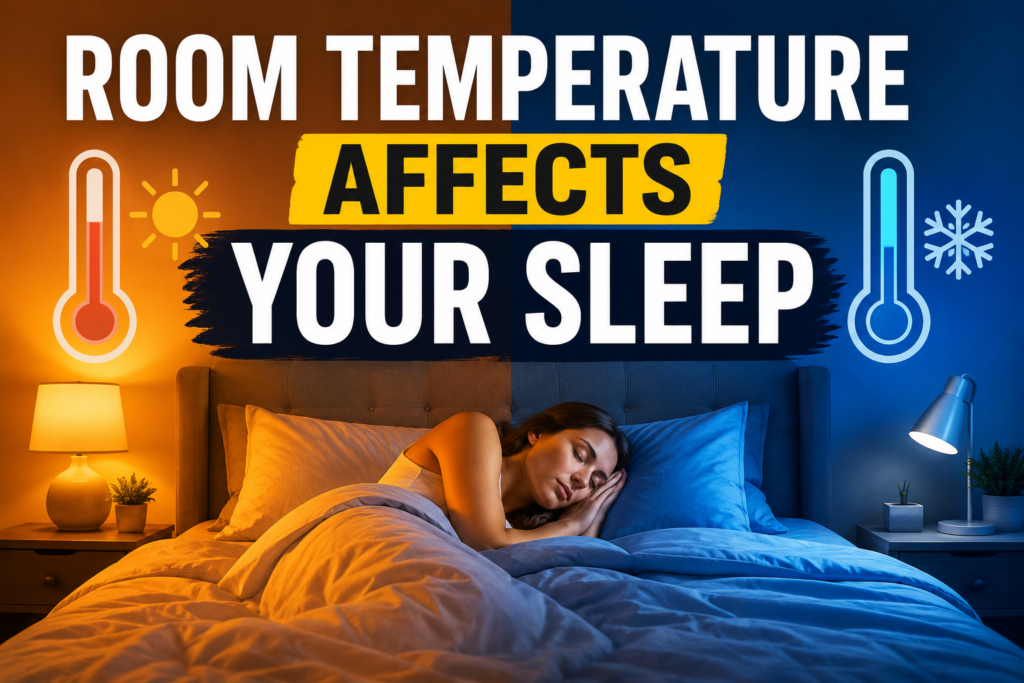
A cooler bedroom may benefit some people because it supports the body’s natural cooling process. When your environment matches the changes your body is already trying to make at night, falling asleep may feel easier.
Temperature can also affect how comfortable you remain throughout the night. A person who frequently wakes up feeling hot may notice better sleep after making their room slightly cooler.
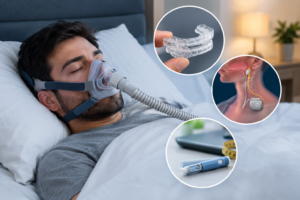
However, it is worth understanding the limits. Adjusting your thermostat may improve comfort, but it will not treat every sleep issue. Someone waking up repeatedly, feeling exhausted during the day, or experiencing breathing problems during sleep may have an underlying condition that needs attention.
A sleep doctor Dallas patients turn to can evaluate these concerns and determine whether symptoms are linked to a sleep disorder or another factor affecting rest.
What Temperature Is Best for Sleeping?
There is no perfect bedroom temperature that works for every person. Sleep preferences can vary based on age, health, bedding choices, and even the climate where someone lives.
Many sleep professionals recommend keeping the bedroom around 60 to 67 degrees Fahrenheit. This range is comfortable for many adults because it supports the body’s natural cooling pattern.
But the thermostat number is only part of the picture.
A person using a thick comforter may feel warm at a temperature that feels comfortable to someone using lighter bedding. Mattress materials, pajamas, airflow, and humidity can all change how a room feels.
Instead of chasing an exact number, notice what your body is telling you. If you wake up sweaty or uncomfortable, your sleep environment may need adjustment. If you wake up feeling cold throughout the night, lowering the temperature further may not be helpful.
How Dallas Weather Can Affect Sleep Comfort
Climate can influence bedroom comfort. In Dallas, warmer temperatures during certain months can make nighttime cooling more challenging.
Even with air conditioning, some bedrooms may stay warmer than expected due to sunlight exposure, poor airflow, or bedding that holds heat.
Small changes can make a difference. Using breathable sheets, improving air circulation, and adjusting the thermostat before bedtime may help create a more comfortable sleep setting.
Humidity also deserves attention. Warm, humid air can make it harder for the body to cool naturally. On the other hand, very dry air may irritate the nose and throat, especially for people who already have breathing concerns.
A comfortable bedroom is not just about temperature. It is about creating conditions where your body can relax.
Common Sleep Environment Mistakes People Make
Many people try to improve their sleep by changing one thing at a time, but some common habits may work against them.
One example is using heavy bedding throughout the year. A thick blanket may feel comfortable when getting into bed, but can become uncomfortable as body temperature rises during the night.
Another mistake is ignoring airflow. A room can have a comfortable thermostat setting but still feel warm if air is not circulating properly.
Some people also assume that sleeping problems are always caused by their environment. While room temperature can affect sleep quality, ongoing problems may have other causes.
Difficulty falling asleep, frequent awakenings, loud snoring, or waking up feeling tired despite enough hours of sleep may require a closer look.
When to Speak With a Sleep Specialist
Changing your sleep environment is a useful place to start, but it is not always the complete answer.
If sleep problems continue for weeks or months, it may be worth discussing them with a professional. A sleep evaluation can help uncover patterns that are difficult to recognize on your own.
Signs that deserve attention include:
- Regular difficulty falling asleep
- Waking up multiple times during the night
- Loud snoring or pauses in breathing
- Morning headaches
- Excessive daytime tiredness
- Trouble staying alert during normal activities
These symptoms can sometimes be connected to conditions such as sleep apnea, insomnia, or other sleep disorders. The National Heart, Lung, and Blood Institute Sleep Apnea Information and the National Institute of Neurological Disorders and Stroke Sleep Disorders Information provide additional information about common sleep conditions and their symptoms.
Creating Better Sleep Starts With Understanding Your Body
A cooler bedroom may seem like a small adjustment, but small changes can influence how comfortable and consistent your sleep feels.
The best sleep environment is not necessarily the coldest one. It is the one that supports your body’s natural patterns and allows you to rest without interruptions.
For some people, changing room temperature, bedding, and airflow may be enough to improve sleep quality. For others, ongoing sleep issues may require a deeper evaluation.
Dallas Sleep helps patients understand the factors affecting their sleep and guides a range of sleep concerns. Whether the issue involves sleep habits, environment, or possible sleep disorders, identifying the cause is an important part of finding the right approach. Patients experiencing ongoing issues such as breathing interruptions during sleep, excessive daytime fatigue, or poor sleep quality can explore options like sleep evaluations and learn more about conditions such as sleep apnea and other sleep disorders.
If better sleep still feels out of reach despite improving your sleep environment, it may be time for a professional evaluation. The team at Dallas Sleep offers comprehensive care for snoring, sleep apnea, insomnia, daytime fatigue, sleep studies, and other sleep-related conditions. Explore the full range of available treatments and diagnostic services on the Dallas Sleep Services page to find the care that’s right for you.