There’s a quiet moment that happens for a lot of people.
A diagnosis lands. Mild sleep apnea.
And then, almost immediately, the image follows…a machine, a mask, a long night of unfamiliar noise.
It’s not always fear, exactly. More like resistance. A sense that this can’t be the only way.
Sometimes it isn’t.
Sometimes it is.
The difference matters more than most people realize.
What “Mild” Sleep Apnea Actually Means
Mild sleep apnea means breathing interruptions are present….but not constant. It’s real, but not always severe.
Clinically, “mild” usually refers to an Apnea-Hypopnea Index (AHI) between 5 and 15. That’s the number of breathing disruptions per hour of sleep. On paper, it looks manageable. And often, it is.
But numbers can be a little misleading.
Two people with the same AHI can feel completely different. One might barely notice. The other wakes up foggy, irritable, dragging through the day.
That gap….between what’s measured and what’s felt….is where treatment decisions start to get more personal.
Can Mild Sleep Apnea Be Treated Without CPAP?
Yes, in some cases. But not safe for everyone.
There’s a tendency to look for a clean yes or no here. Something definitive.
But sleep medicine doesn’t really work like that.
Mild sleep apnea can sometimes be managed without CPAP. Especially when symptoms are subtle, oxygen levels stay relatively stable, and there aren’t any underlying risks complicating things.
But that doesn’t mean skipping treatment. It means choosing the right treatment.
And that distinction tends to get lost online.
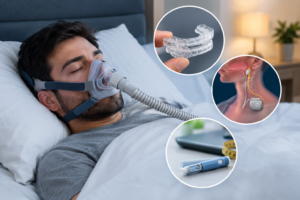
Alternatives to CPAP That Actually Work (For the Right Person)
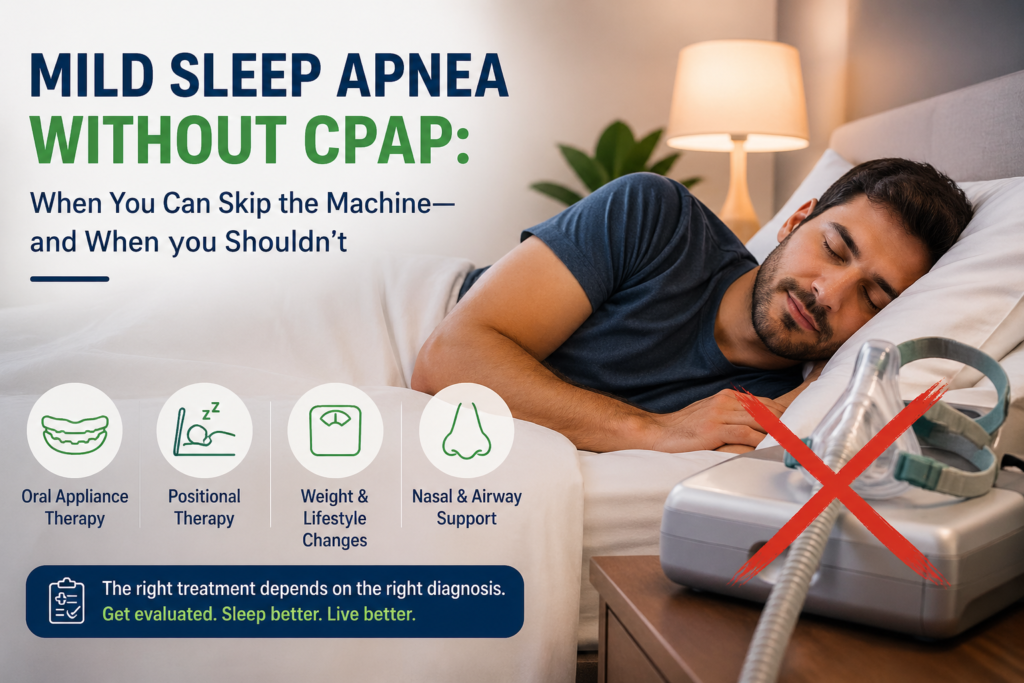
Oral appliances, positional therapy, and lifestyle adjustments can be effective—if the diagnosis and patient profile align.
There are options. Real ones. Not internet myths or quick fixes.
Oral appliance therapy, for example, is often one of the more practical alternatives. A custom-fitted device—similar to a mouthguard—gently repositions the jaw to keep the airway open. Quiet. Portable. Surprisingly effective in mild cases. The Sleep Foundation’s overview of oral appliances explains how these devices support airway stability during sleep.
Then there’s positional therapy. Some people experience apnea mostly when sleeping on their backs. Shift the position, reduce the collapses. Simple in theory. Not always easy in practice, but it works for certain patterns.
Weight and lifestyle changes come up often, too. And yes, they matter. Especially when excess weight contributes to airway restriction. But they’re slower. Less predictable. More of a long game.
Nasal breathing support, reducing alcohol before bed, improving sleep consistency—these aren’t dramatic interventions. But sometimes, the quiet changes add up.
Still… none of these should be chosen blindly.
A proper diagnosis matters.
Not just whether sleep apnea exists—but how it shows up.
That’s where something like a home sleep test or a more detailed evaluation through a comprehensive sleep study becomes essential. Without that, even the “right” alternative can miss the mark.
When CPAP Is Still the Better Choice
If symptoms are disruptive, oxygen levels drop significantly, or overall health is at risk, CPAP remains the most reliable option.
There’s a reason CPAP hasn’t gone anywhere.
It works. Consistently. Across a wide range of cases.
Even in mild sleep apnea, certain signs shift the equation:
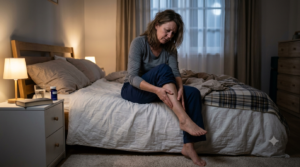
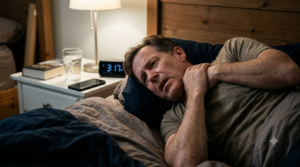
- Noticeable daytime fatigue that affects work or focus
- Frequent awakenings or fragmented sleep
- Oxygen desaturation during the night
- Existing conditions like high blood pressure or heart concerns
In those situations, avoiding CPAP isn’t always a neutral choice. It can quietly prolong the problem.
It’s not about pushing the machine. It’s about protecting sleep quality—and everything tied to it.
The National Heart, Lung, and Blood Institute outlines how untreated sleep apnea, even when mild, can still influence long-term health outcomes. Subtle at first. Then less so.
And sometimes… the hesitation around CPAP softens once it’s actually tried. Not always. But often enough.
The Mistake That Happens More Than It Should
Skipping proper evaluation and self-treating based on assumptions.
There’s a pattern that shows up quietly.
Someone suspects mild sleep apnea. Reads a few articles. Orders a device online. Tries a workaround. Waits.
Months pass. Sometimes longer.
And the underlying issue? Still there. Just reshaped.
It’s not a lack of effort. It’s usually the opposite—trying too hard to solve something without enough clarity.
Sleep disorders aren’t always obvious from the outside. They overlap. Blend into stress, poor habits, even normal aging.
That’s why guessing tends to fail here.
A structured evaluation—whether through a clinic or a guided program like those offered at Dallas Sleep Health—creates a different starting point. One grounded in data, not assumptions.
And from there, decisions get easier.
How to Know What’s Right for You
The right treatment depends on severity, symptoms, and how the body responds…not just preference.
There’s a quiet truth in all of this.
Most people aren’t trying to avoid treatment. They’re trying to avoid the wrong one.
And that’s reasonable.
The goal isn’t to force CPAP or avoid it. It’s to match the treatment to the reality of the condition. Sometimes that means alternatives. Sometimes it circles back to the machine.
But it’s rarely guesswork.
A thoughtful evaluation. A clear picture of sleep patterns. A bit of patience.
That’s usually enough to find the path that fits—not just medically, but practically.
A Final Thought That Tends to Stick
Mild sleep apnea sits in an odd space.
Not severe enough to feel urgent.
Not harmless enough to ignore.
And in that space, decisions get delayed. Questions linger. Options blur together.
But the body keeps responding the same way each night, regardless of hesitation.
So the real question isn’t whether CPAP can be skipped.
It’s whether the approach, whatever it is…actually improves sleep in a measurable, lasting way.
Because once that part is solved, the rest tends to settle on its own.